
At the end of last summer my car wouldnt start. The oil leaking from my ignition coil clued me in to a dead coil being the problem. A replacement coil was all it took to get me back on the road. Months later I decided to do a bit of an autopsy to see how the thing worked.
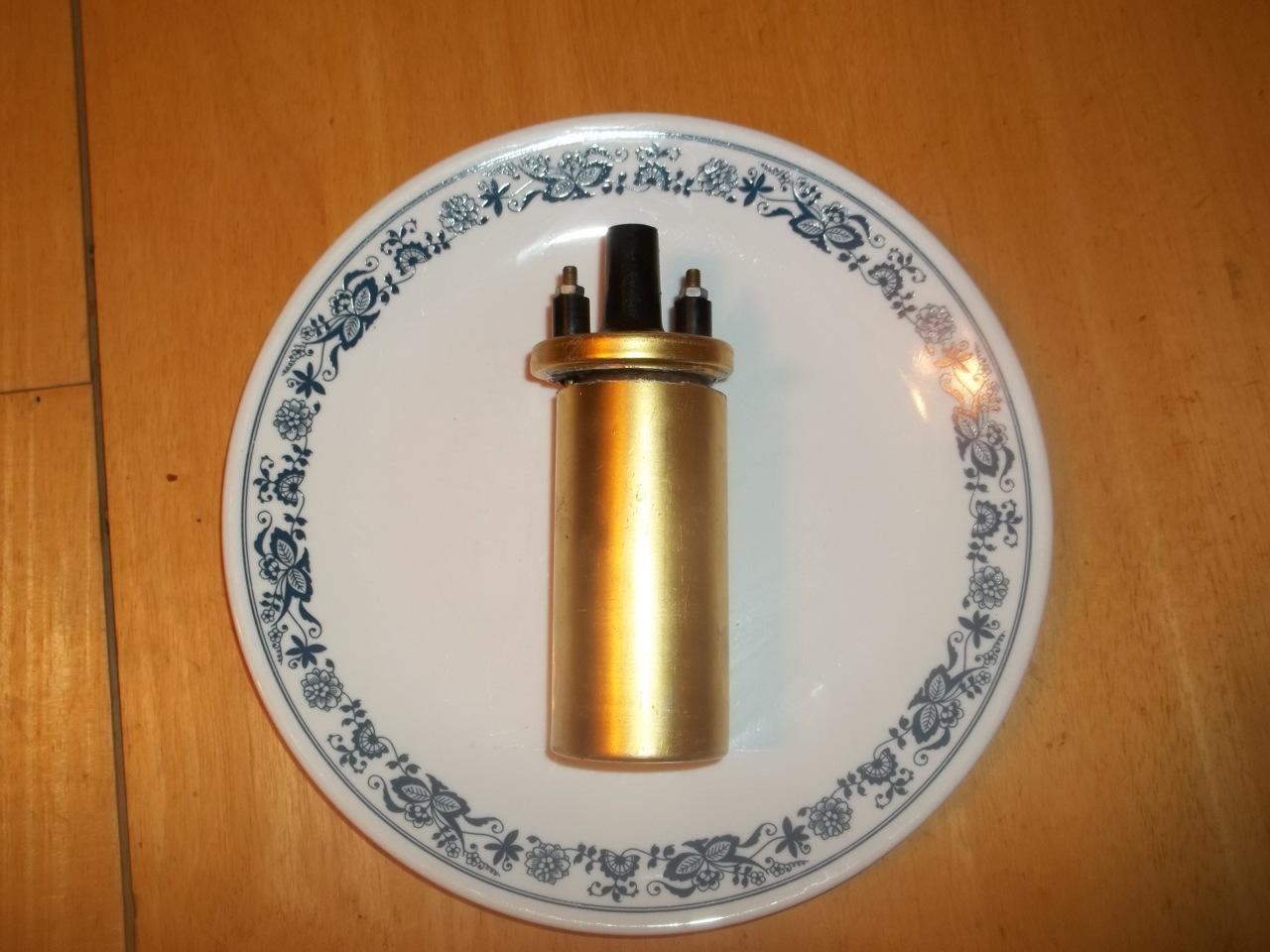
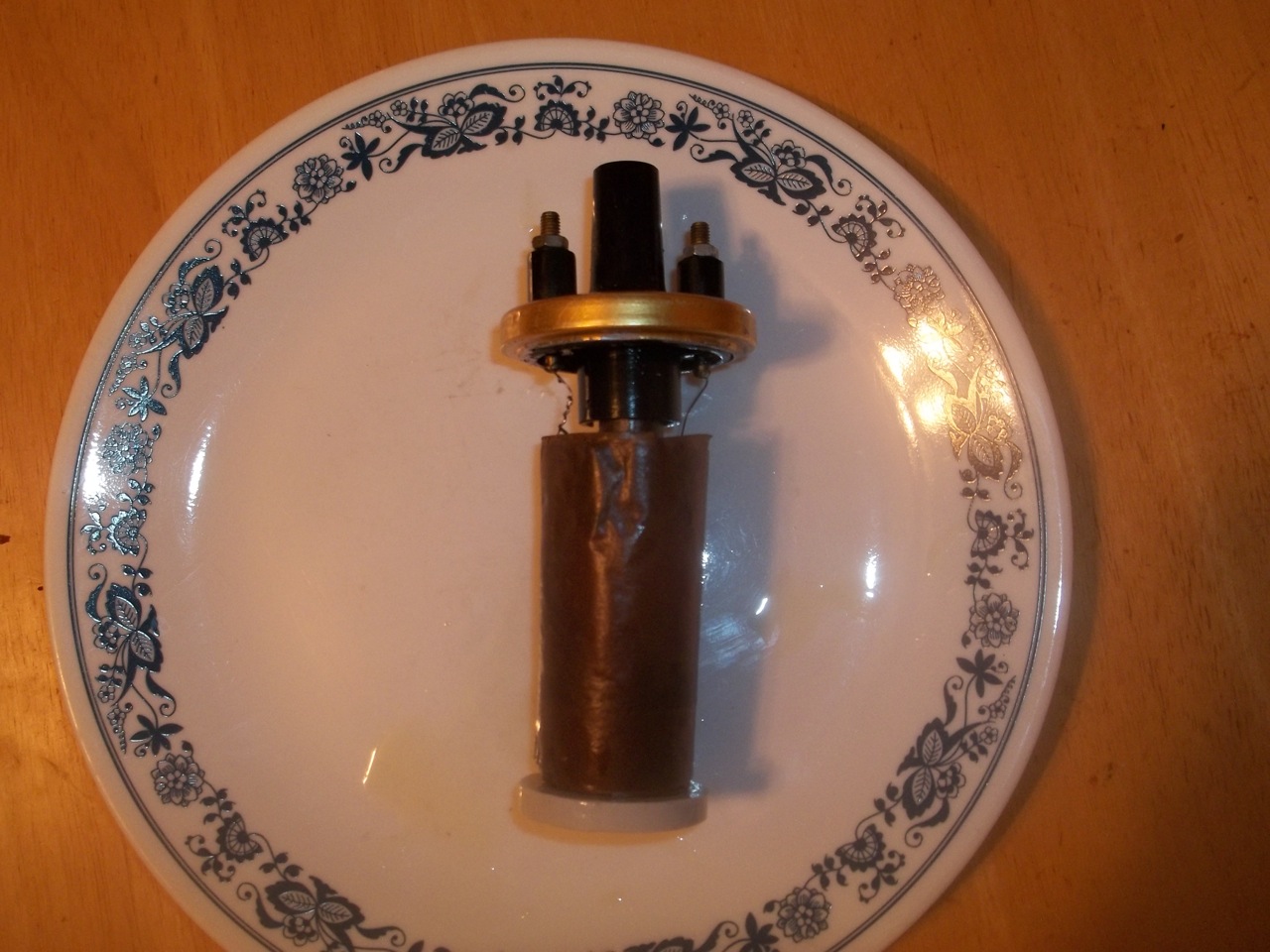
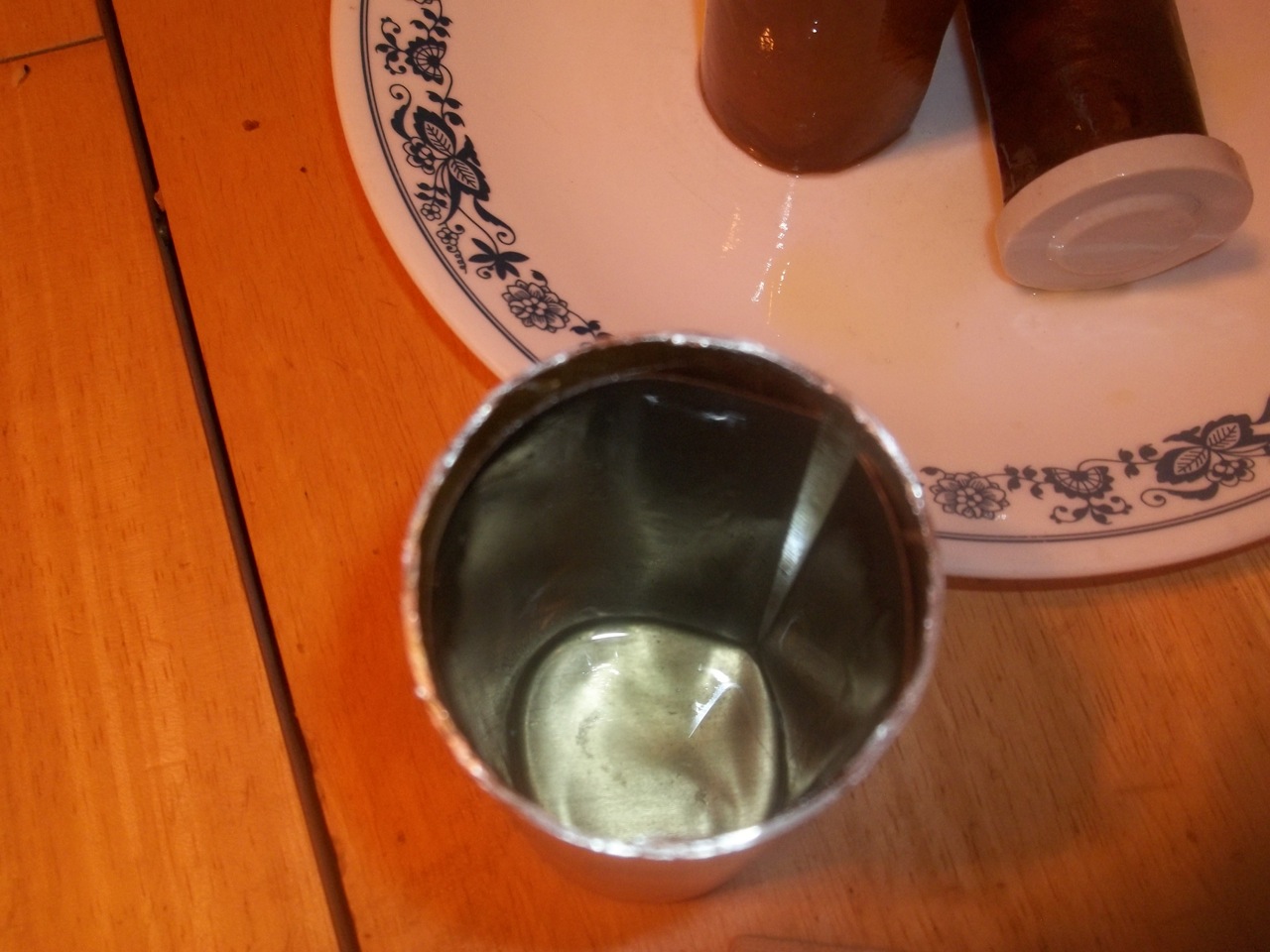
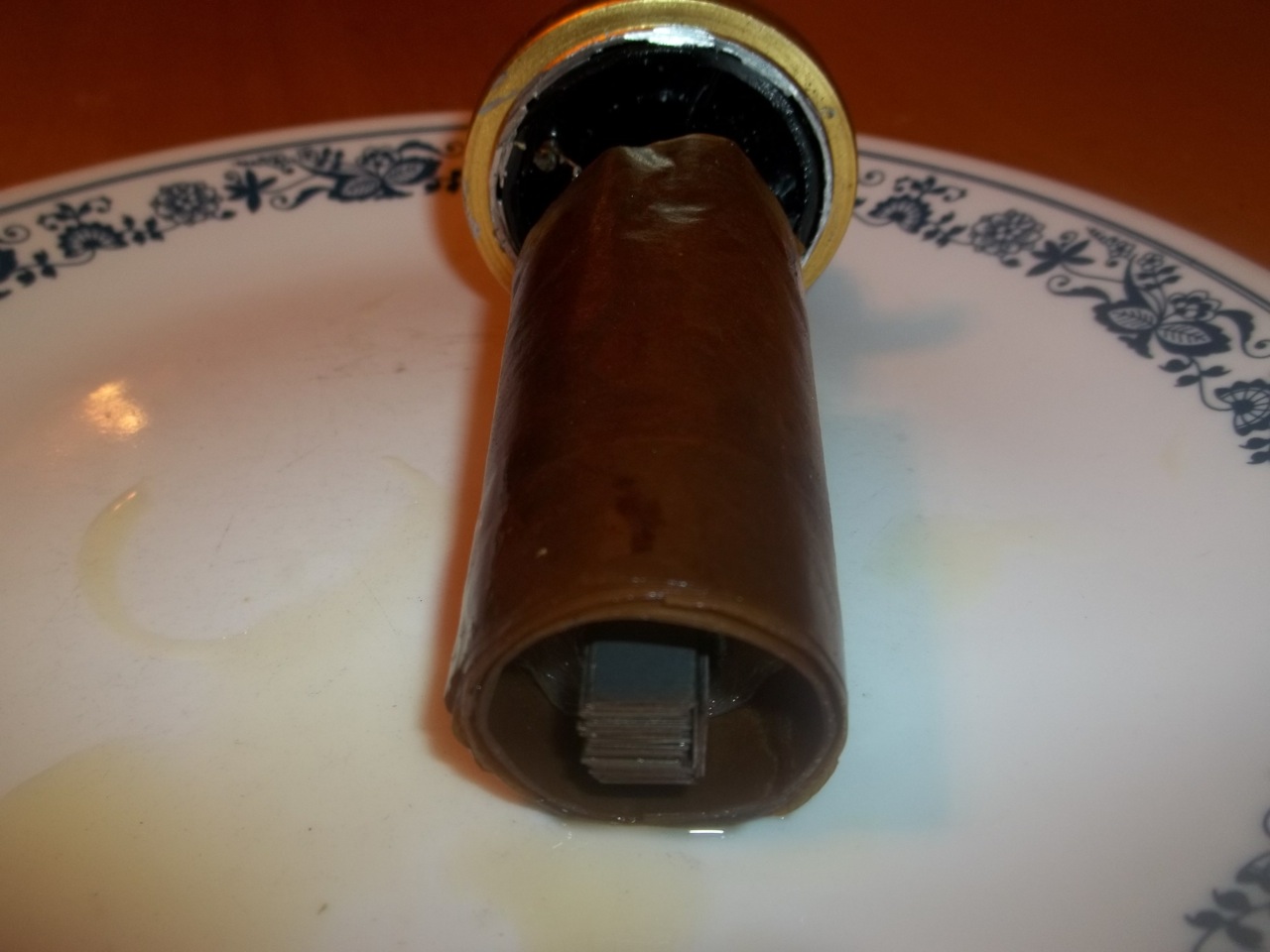
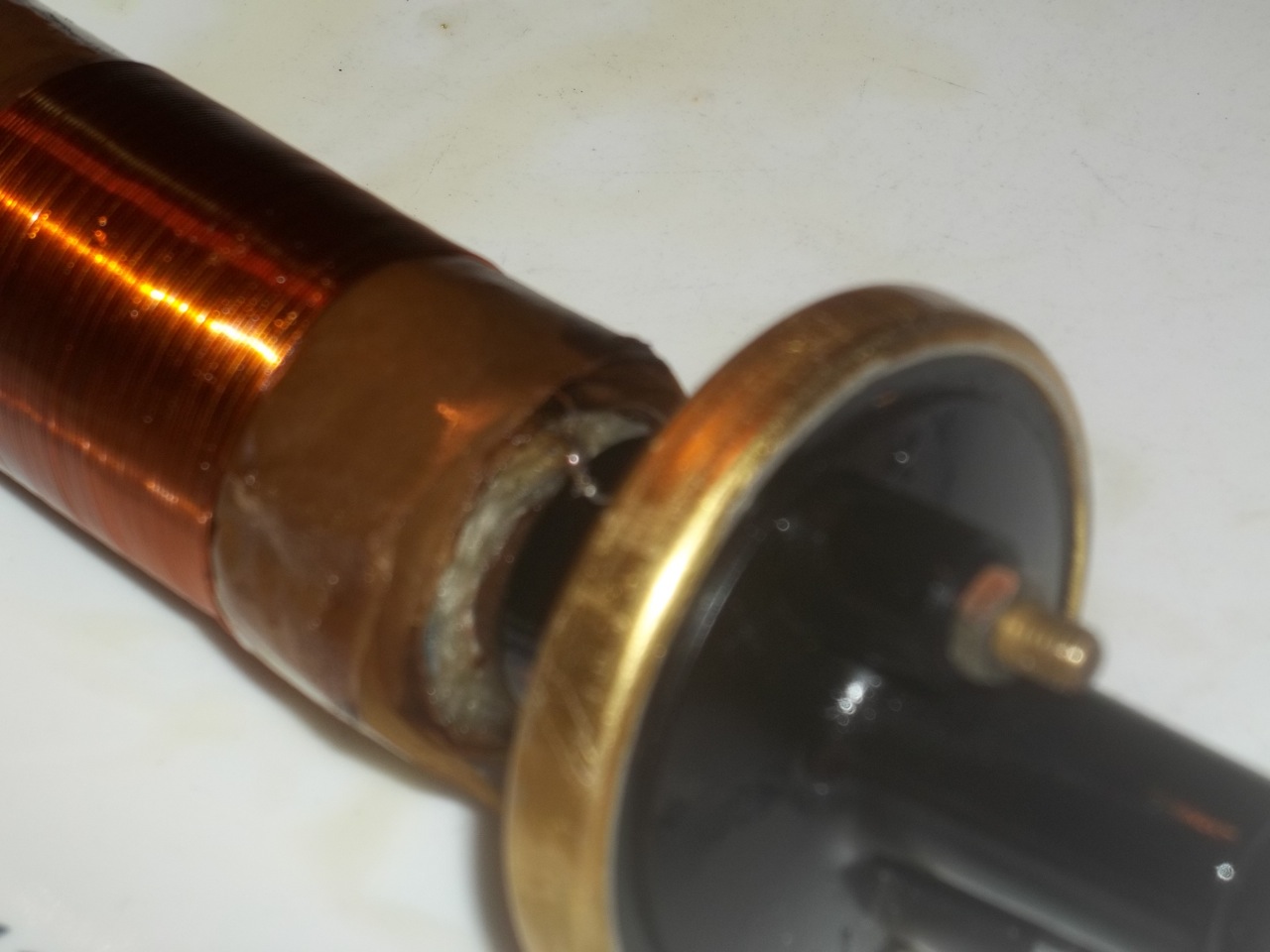
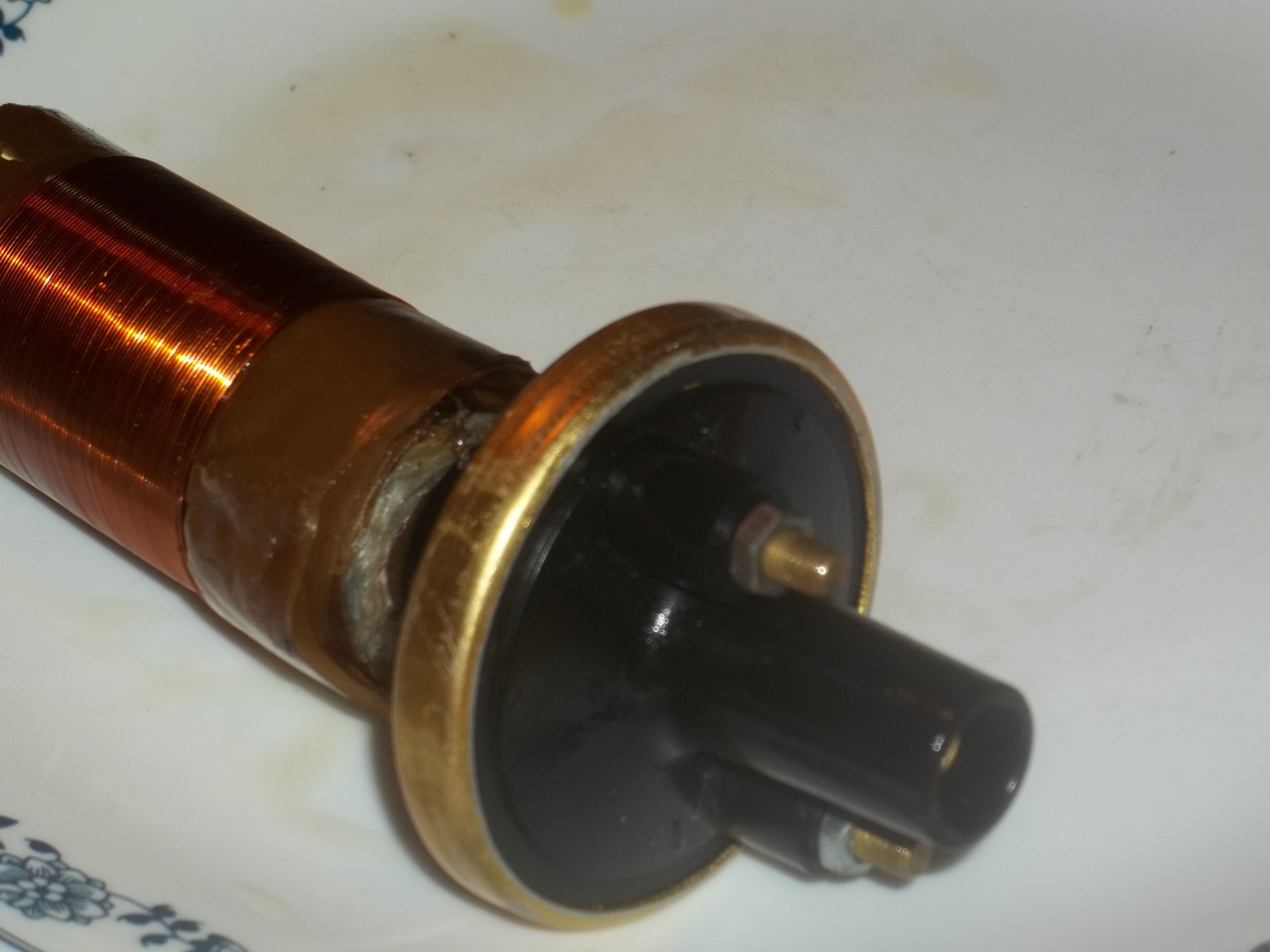
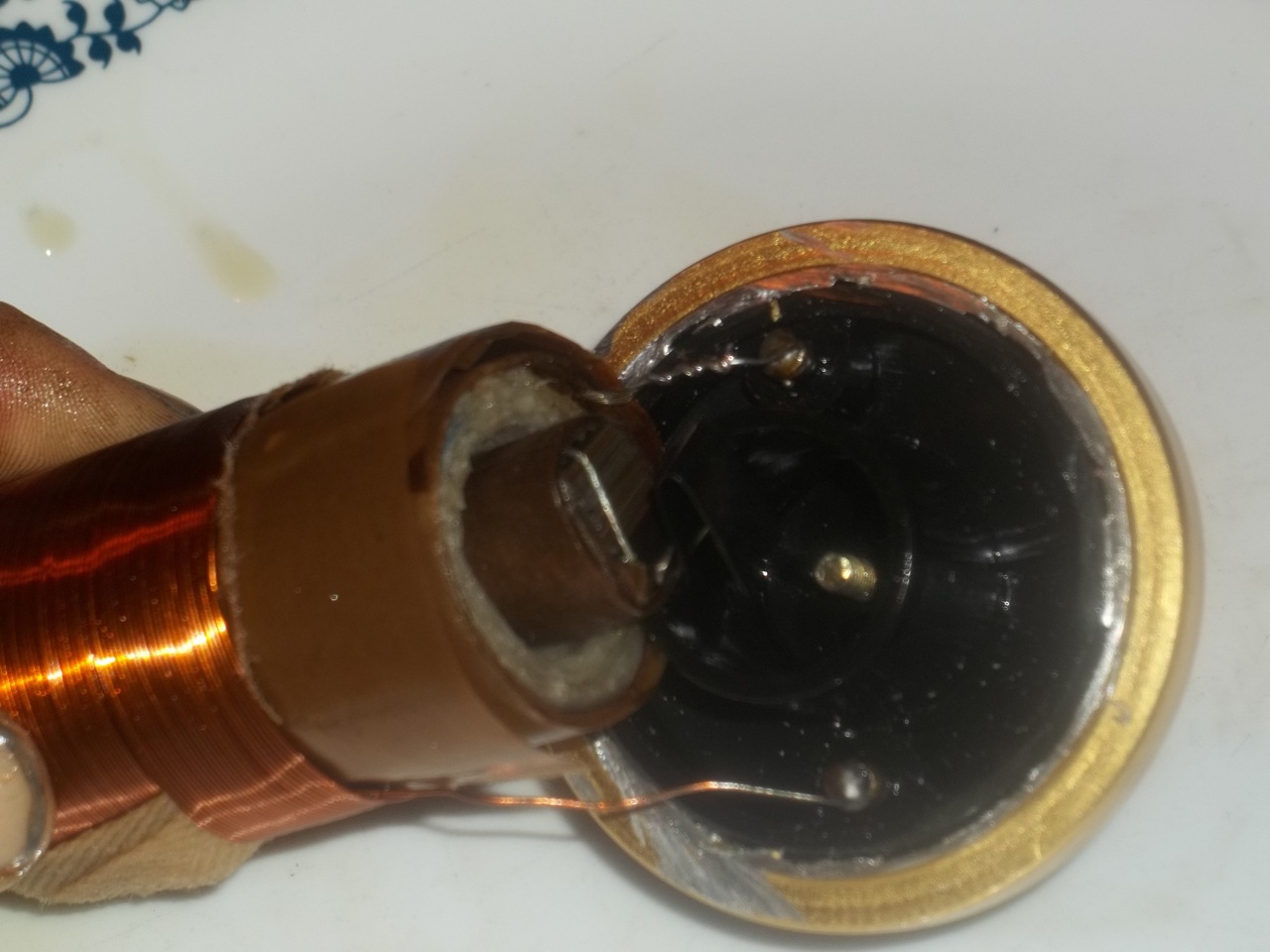
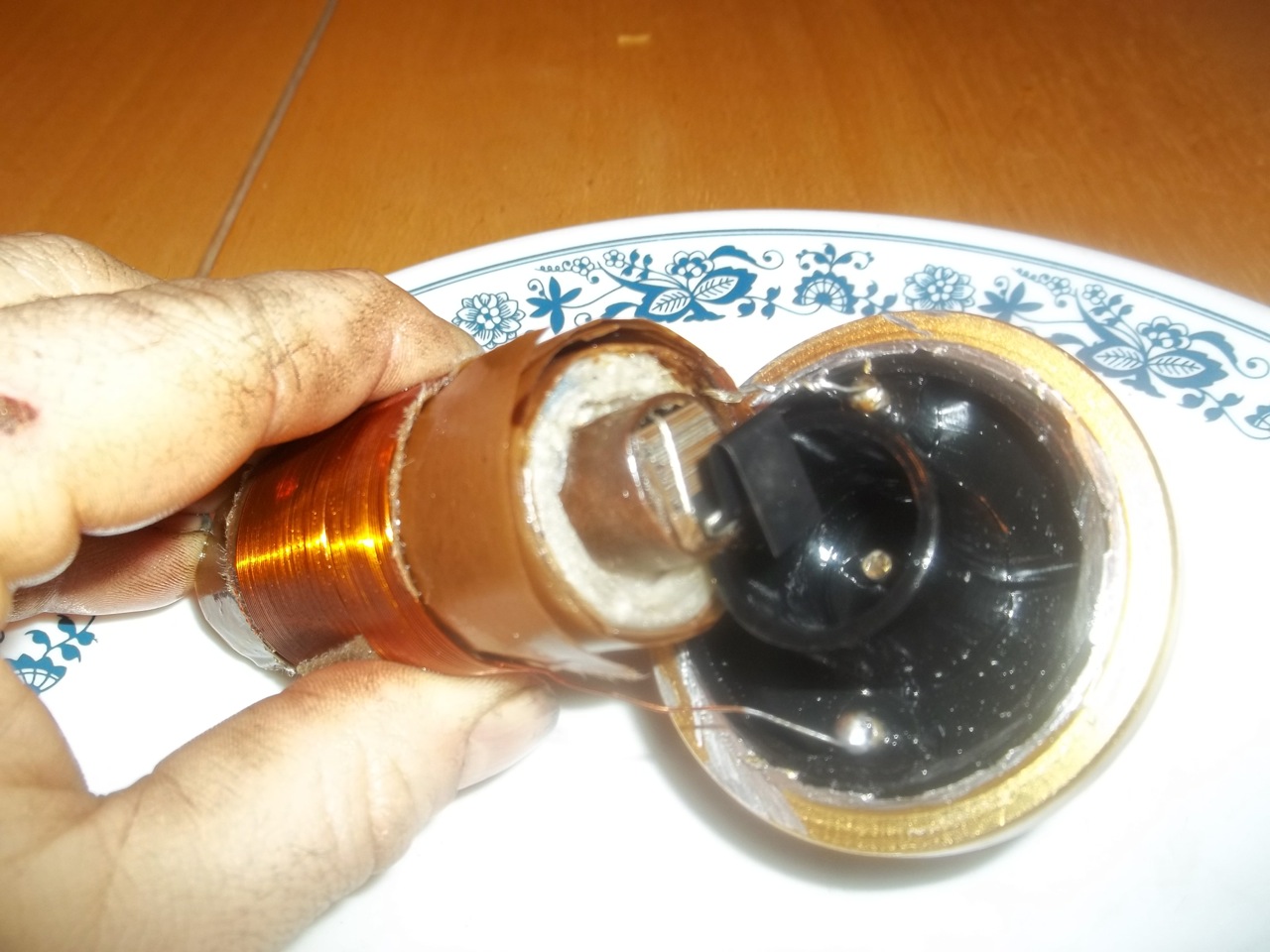
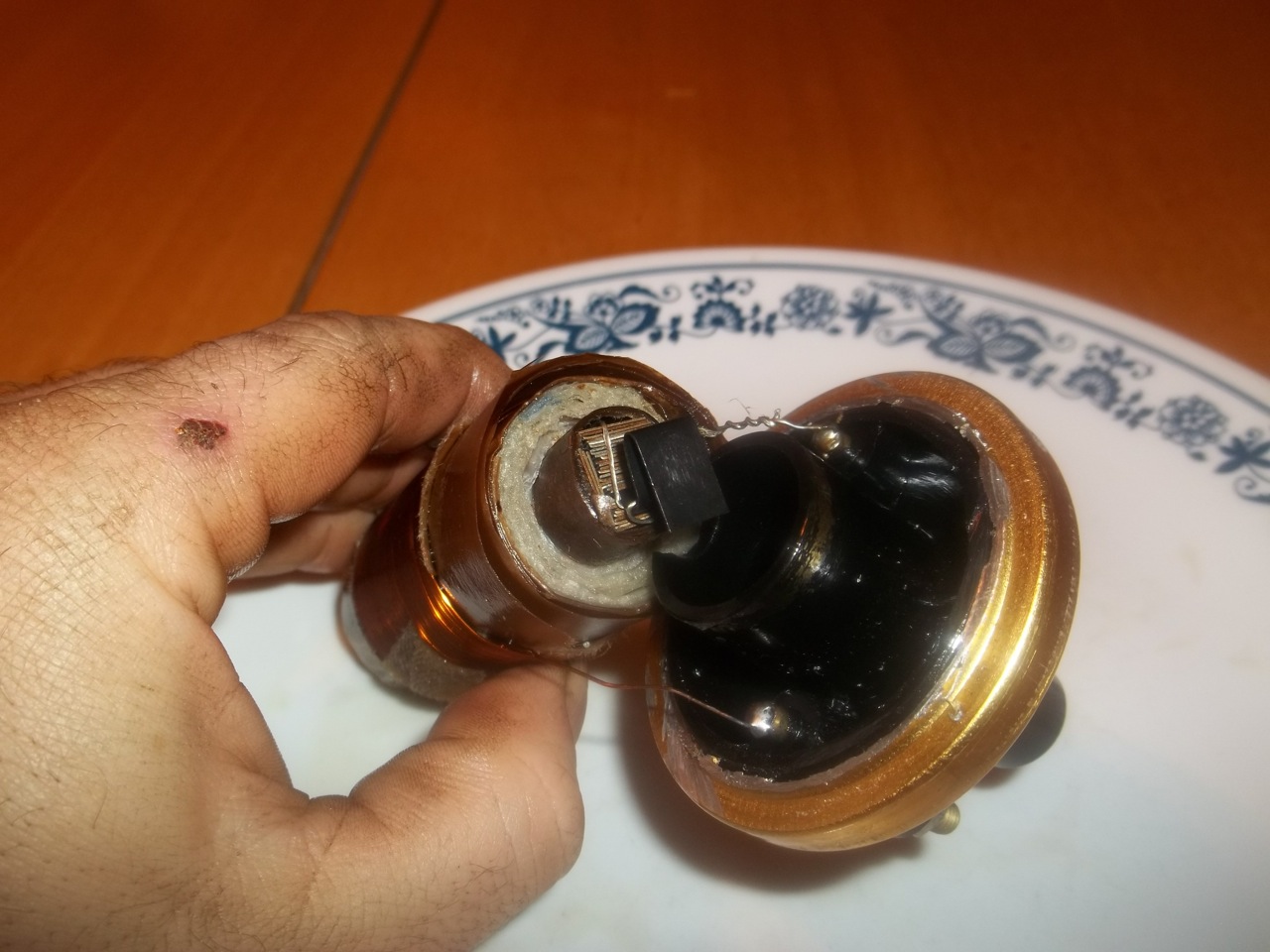
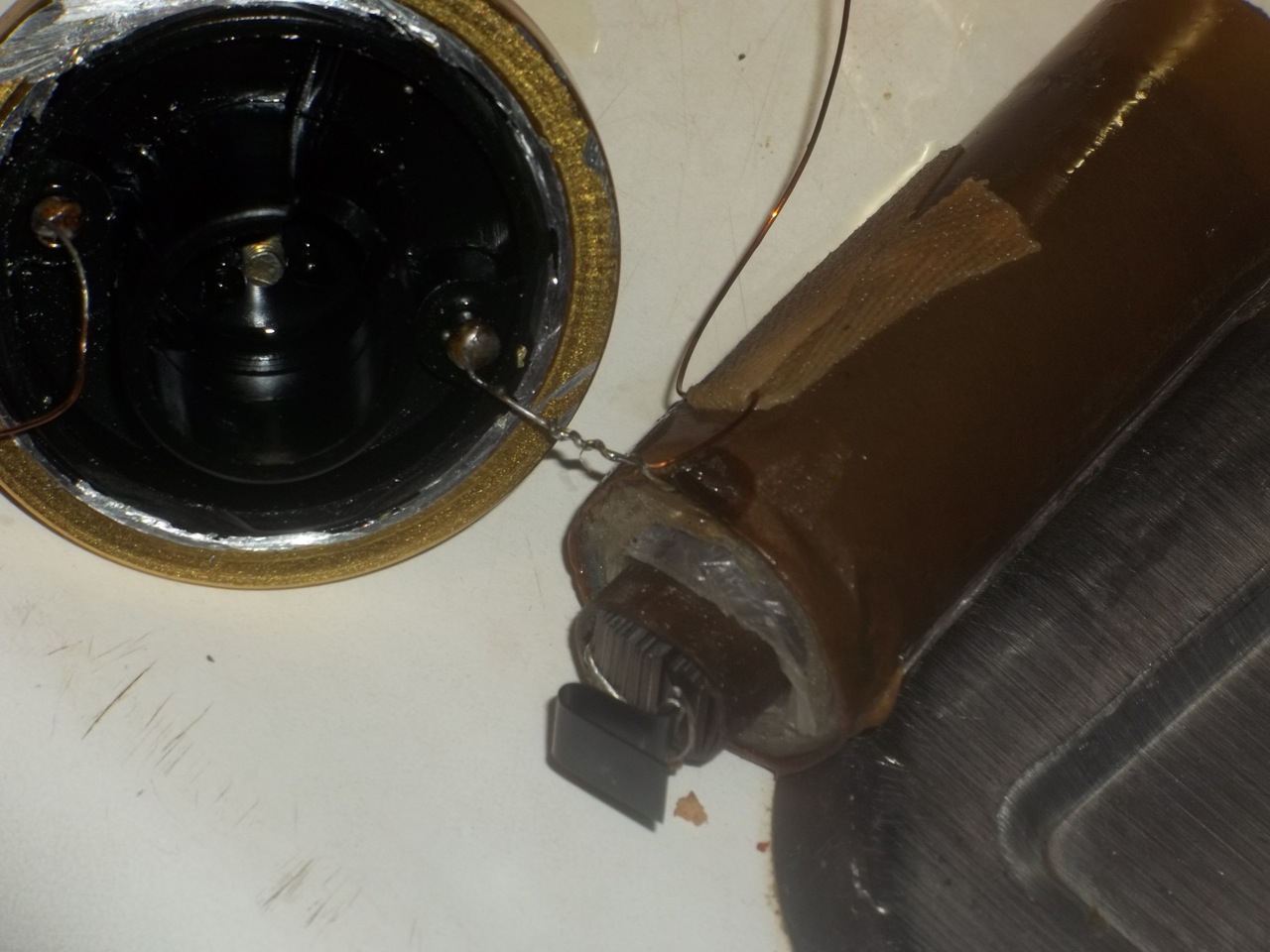
This coil in particular is a Lucas Sport coil. According to Moss motors it is rated at 40,000 volts. It has an aluminum case, a plastic insulator top, and three electrical connections on that top. The case is filled with a light oil, to prevent the wires from overheating. Also just inside the case is a sheet of metal possibly for sheilding of some kind and at the very base is a ceramic insulator. That insulator is actually very important, because the laminated iron core has a spring steel terminal on one end that has the secondary coil connected to it. Without that ceramic insulator, sparks might jump out the bottom of the coil instead of creating a spark in the spark plugs.
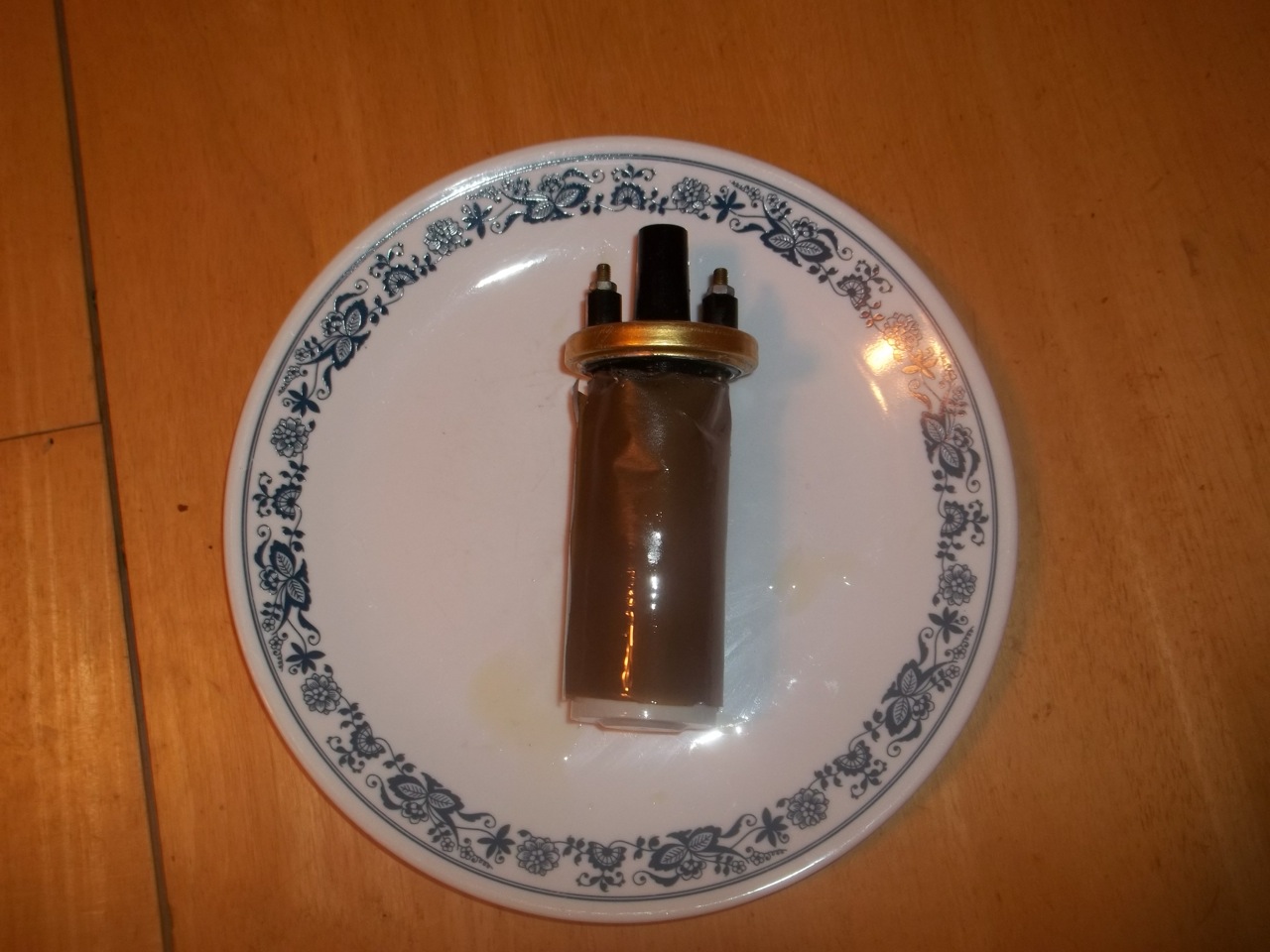
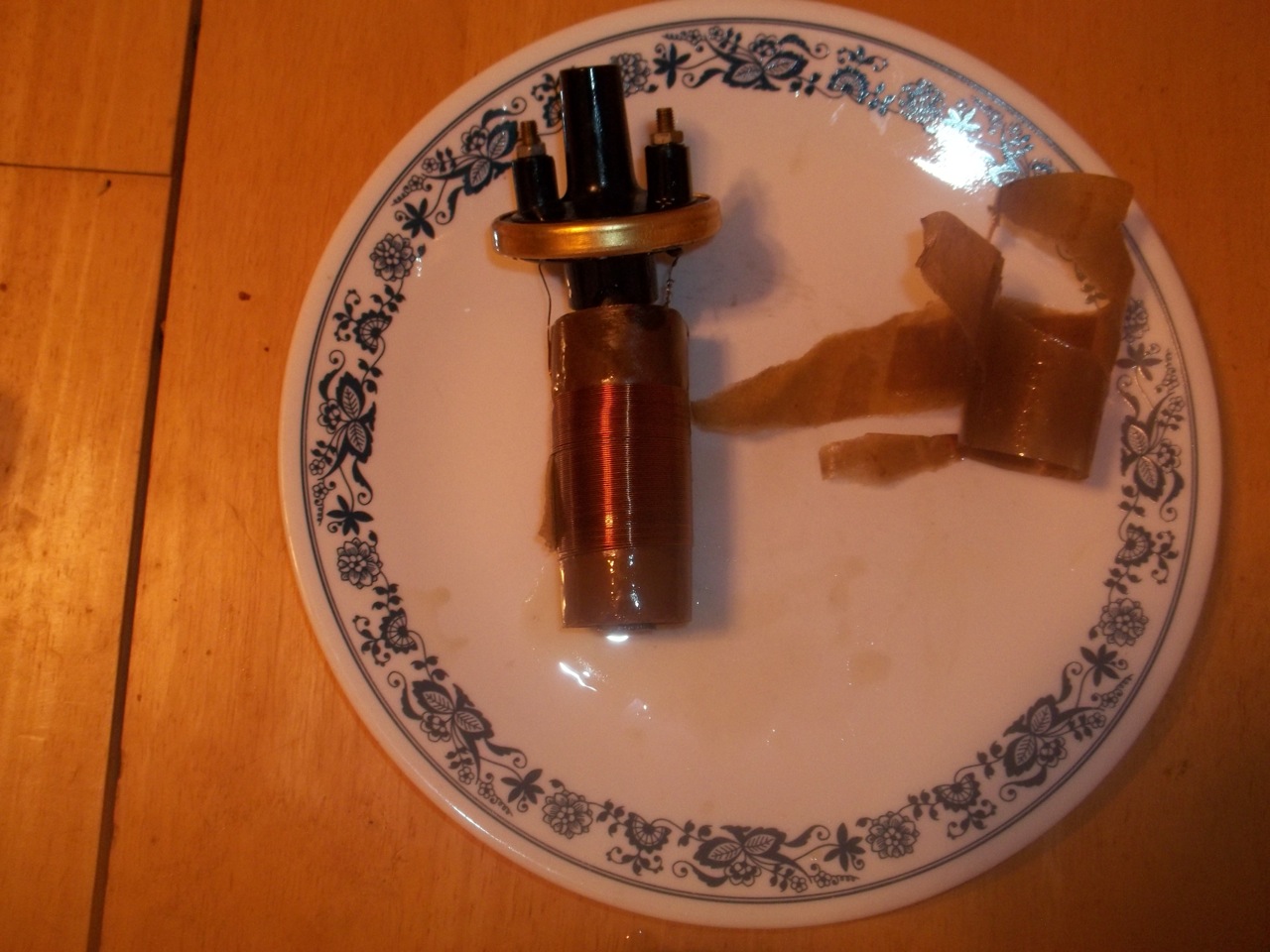
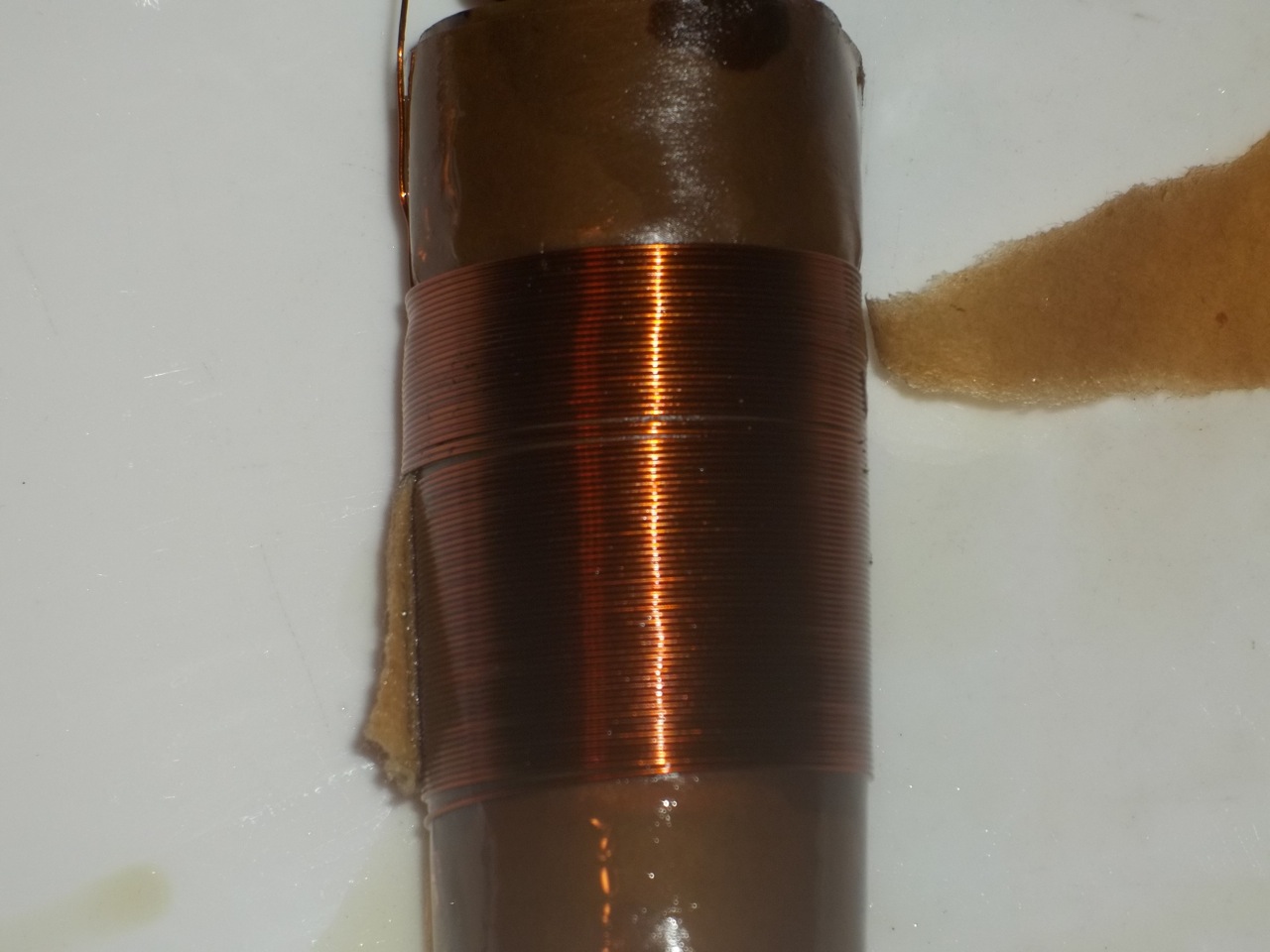
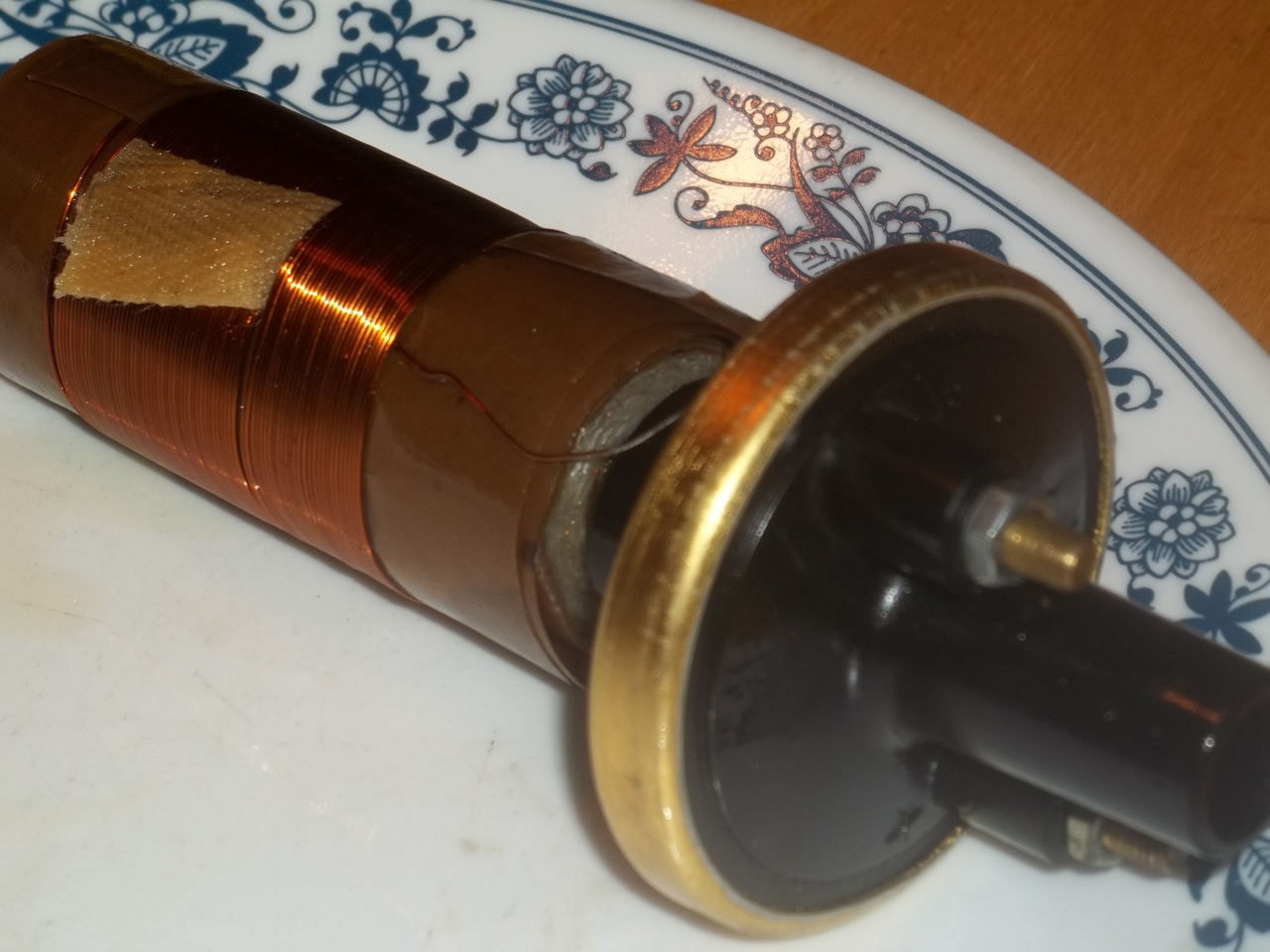
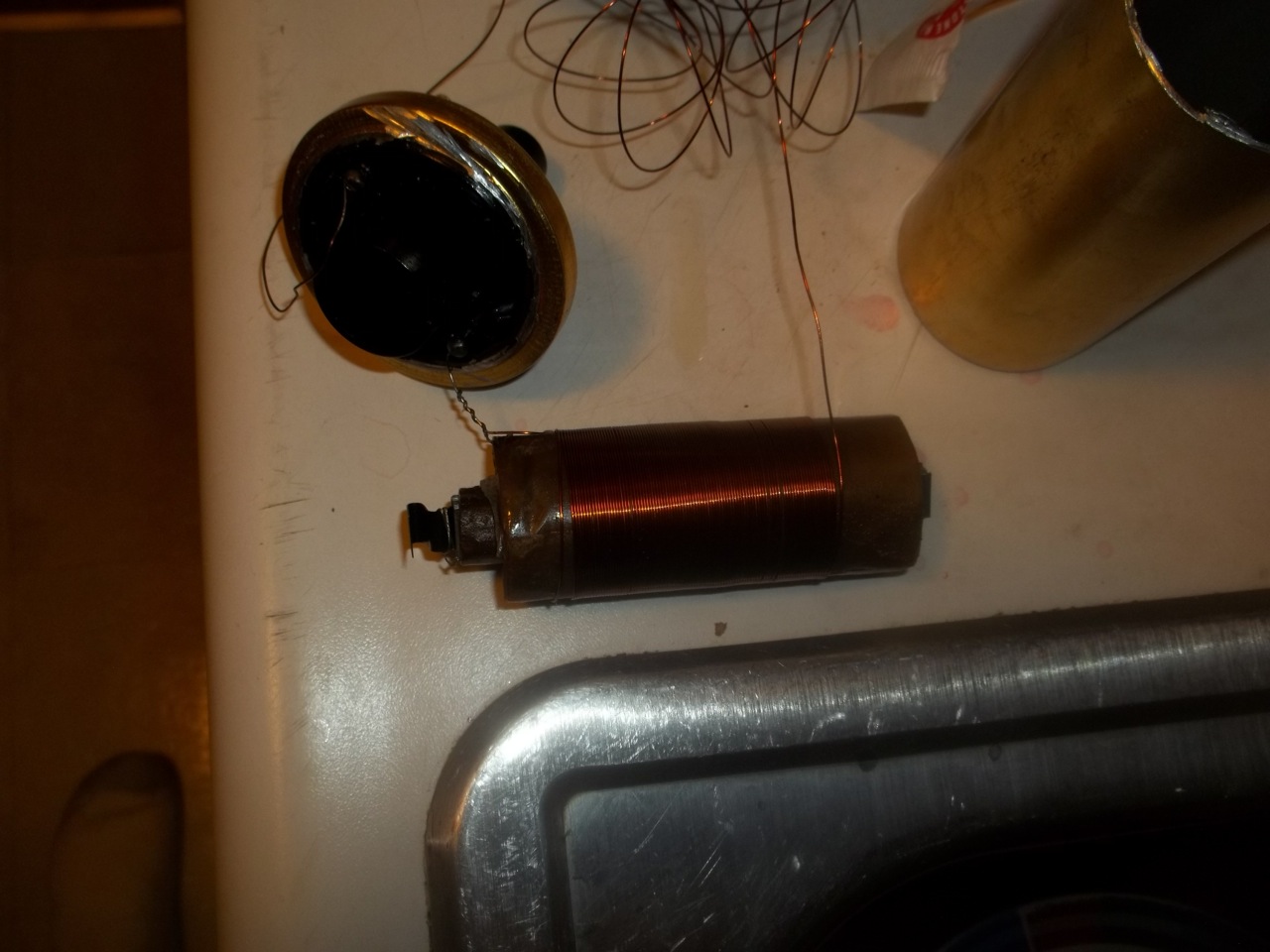
There are two coils inside wrapped around a shared iron core, as with any transformer. Between each layer is some paper. Cotton strips are used to hold some wires in place when starting or finishing a coil. The negitive terminal is connected to the end of the outermost windings on the primary coil, while the positive terminal connects to the other end of the primary coil 4 layers down, as well as one end of the secondary coil. Click on the following images to enlarge.
 |
 |
 |
 |
 |
 |
 |
 |
 |
 |
 |
 |
 |
 |
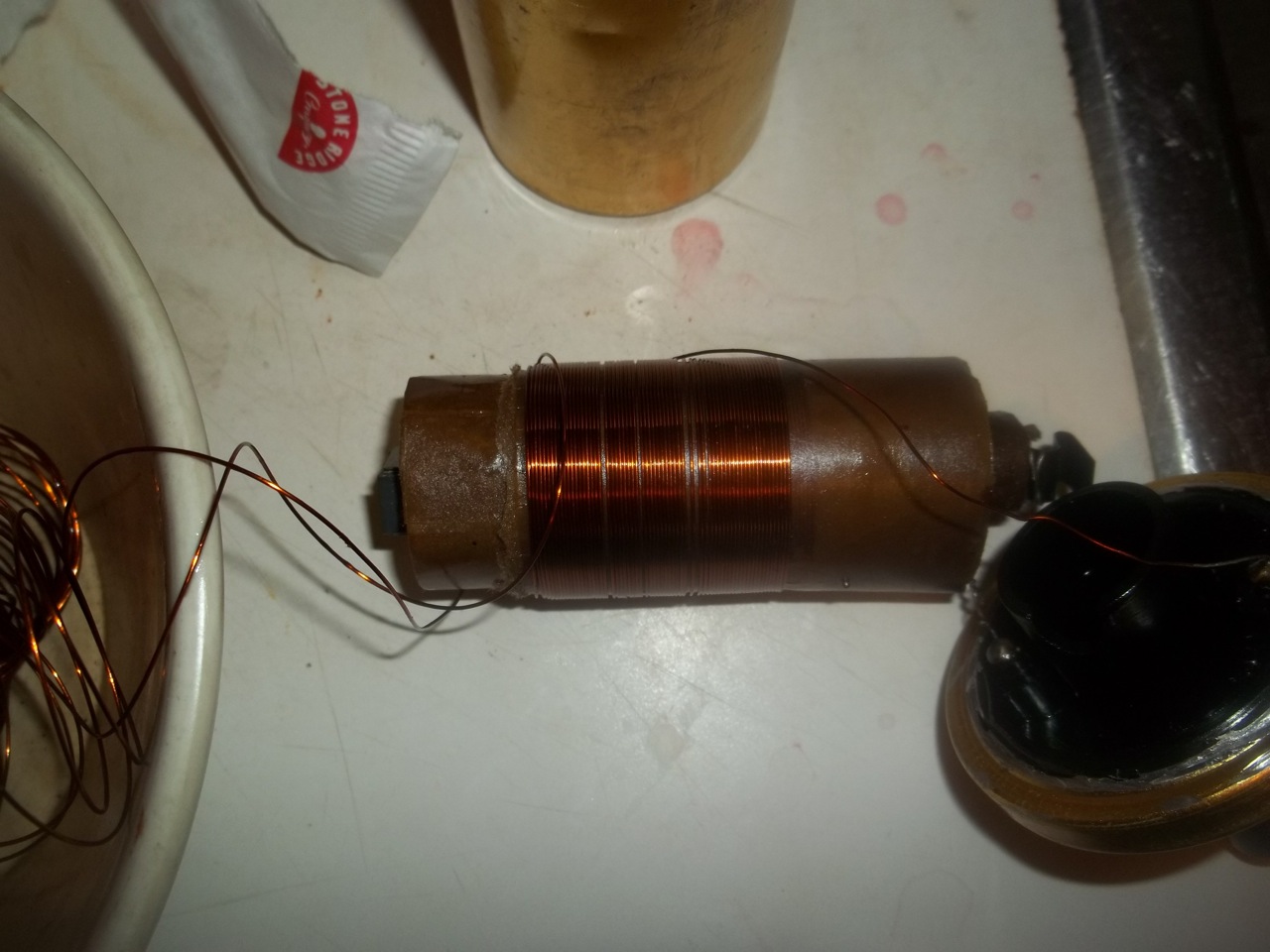 |
There are 4 layers of windings in the primary coil. These windings use much thicker wire than the secondary, and there is a great deal of inconsistancy between layers on the unit I examimed. The outermost layer had 75 turns, the second layer in had 63, the third layer in had 72, and the fourth and innermost layer had 93. That gives a total of 303 turns on the primary coil.
 |
 |
 |
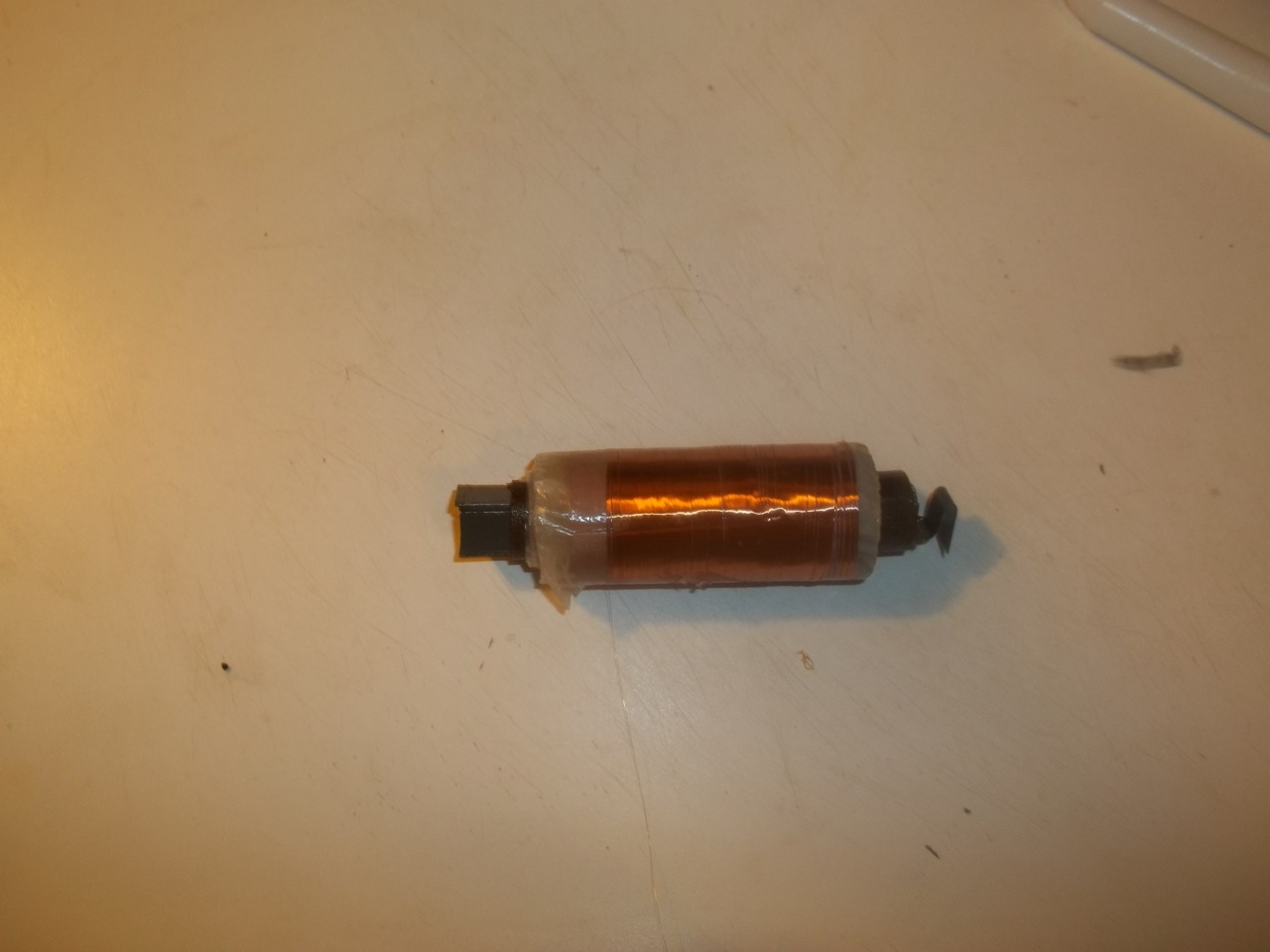 |
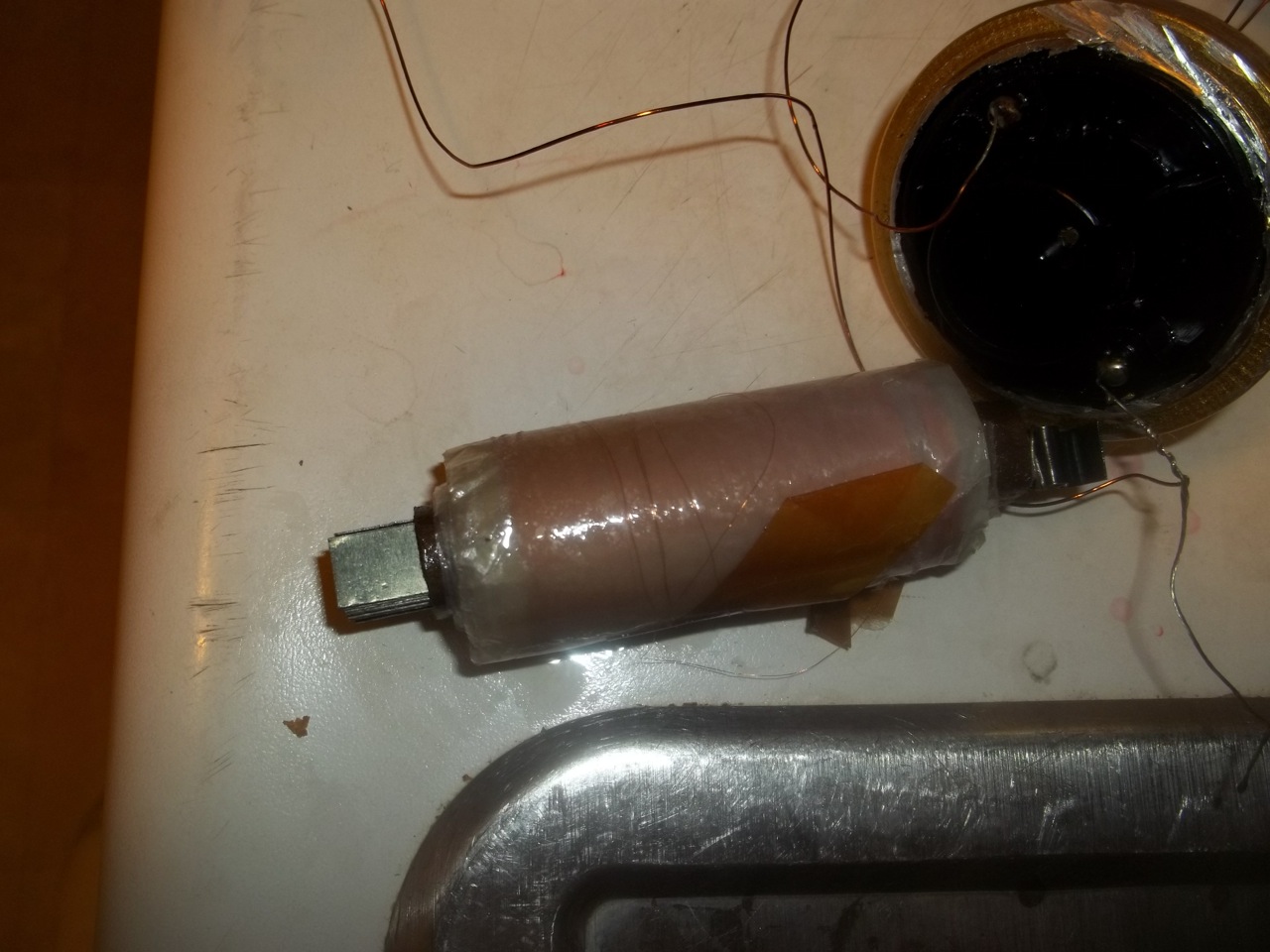
The secondary coil uses wire that is about as thin as a human hair. It has many many more windings. I counted 113 and I hadnt even unravled the first 1/4" of the outermost of about 10 layers. I estimate at least 6000 turns on the secondary coil. I have no idea how many exactly, but every resource I've read says that there are thousands of turns on a secondary ignition coil, and a lot more than I care to count. If anyone has an idea of how many would be required to get to 40,000 volts please let me know. I am not an electrical engineer.
Anyway, at the other end of the secondary coil the wire is soldered on to the lead at the center of the coil which presses against the high tension lead on the top. In the end I was unable to determin the point of failure, and of course, a rebuild is impossible.